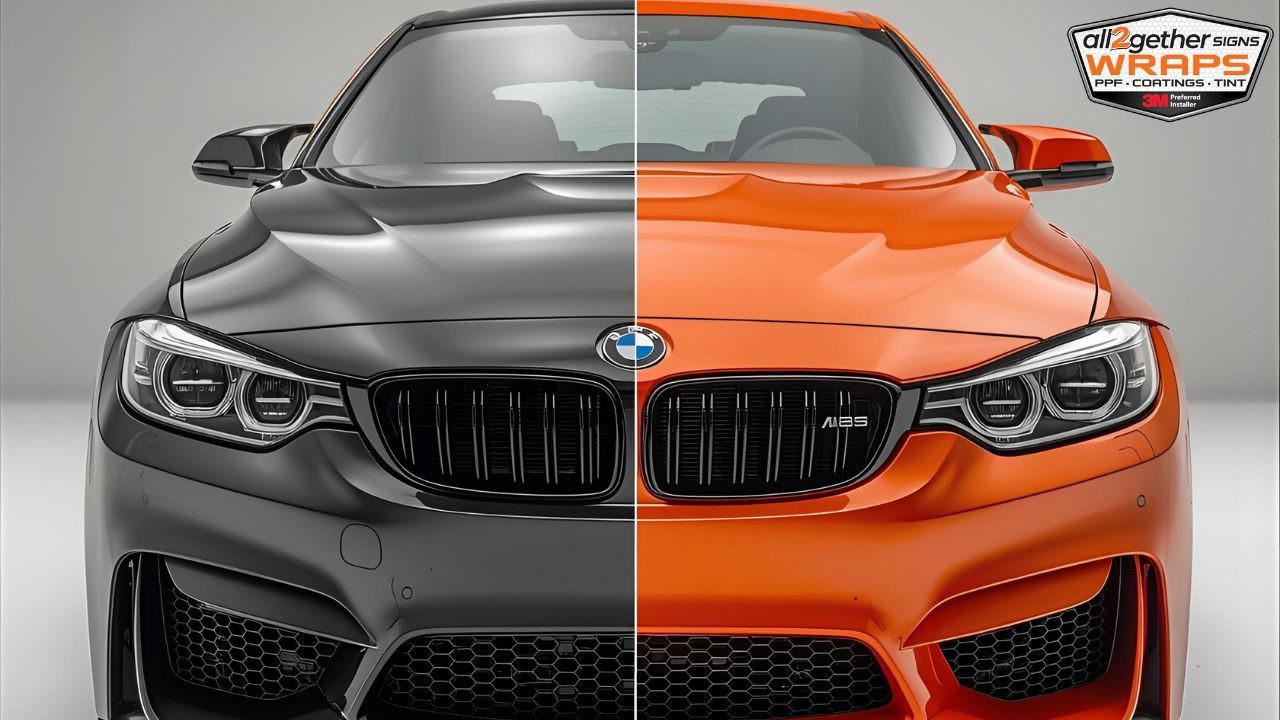
When it comes to customizing or protecting your car’s exterior, two of the most popular options are car wraps and traditional paint. Both offer unique benefits, but which one is right for you? Whether you’re looking to change the look of your vehicle or protect its paint, it’s important to weigh the pros and cons of each option. In this blog, we’ll compare car wraps and paint, exploring the differences to help you make an informed decision.
1. What is a Car Wrap?
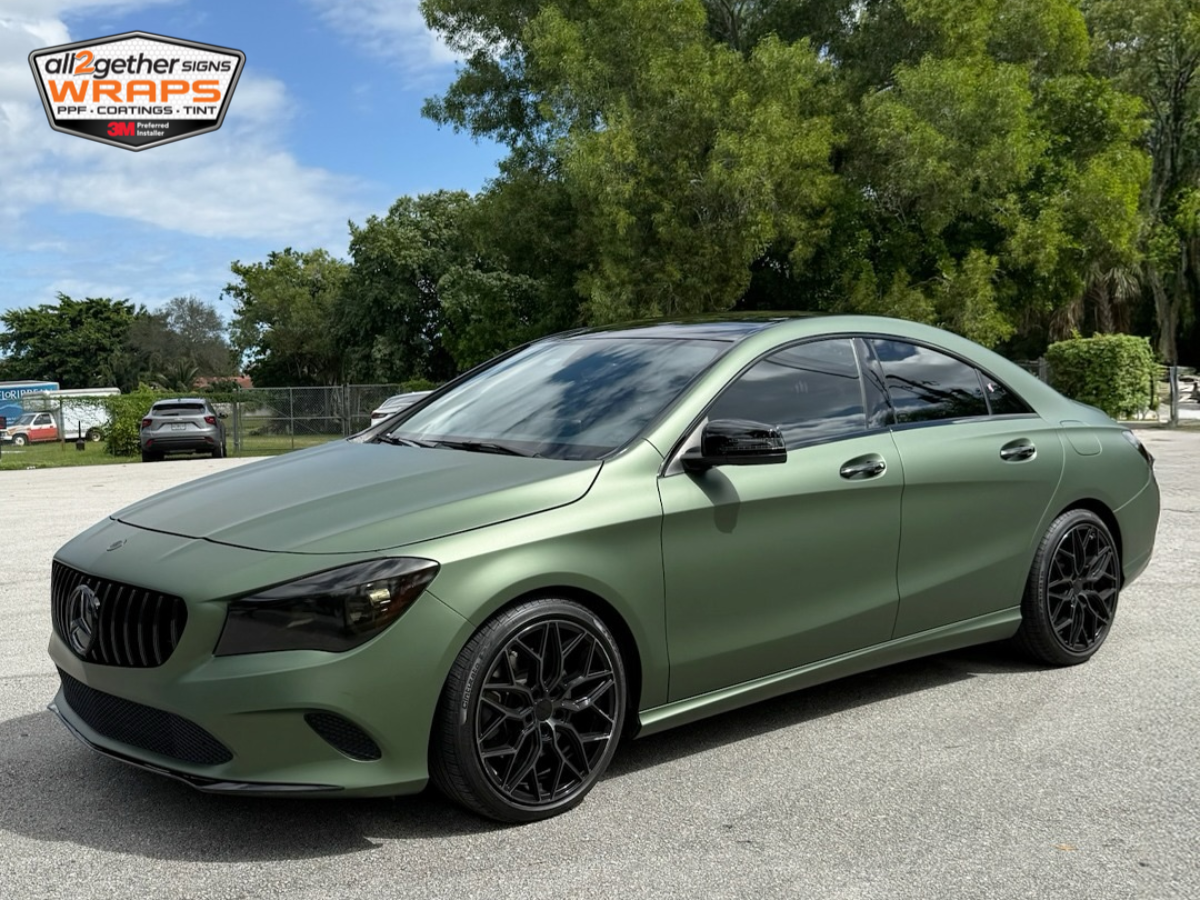
A car wrap is a vinyl film that is applied over the car’s original paint. These wraps come in a variety of colors, finishes, and designs, allowing you to completely transform the look of your vehicle. The wrap is usually professionally installed and can cover all or part of the car. One of the main attractions of a car wrap is its ability to create a unique, customizable look that stands out from other vehicles on the road.
2. What is Car Paint?
Car paint, on the other hand, involves applying a layer of paint directly to the car’s metal surface. Unlike wraps, paint is a permanent solution, and once it’s applied, it becomes a part of the car’s exterior. Paint offers a more traditional approach to customization, and depending on the type of paint used, it can provide a high-gloss or matte finish.
3. Durability: Car Wrap vs. Paint
Car Wraps:
Car wraps are highly durable, but they typically last between 5 to 7 years, depending on the quality of the material and exposure to the elements. A well-maintained wrap can handle UV rays, rain, and minor abrasions, but over time, it may begin to show signs of wear, especially if exposed to harsh conditions or constant sunlight. Additionally, a wrap can be removed without damaging the underlying paint, which is a major advantage if you want to change the look of your car later.
Car Paint:
Paint, especially high-quality automotive paint, can last much longer than a car wrap. If properly cared for, paint can last the lifetime of the vehicle. However, paint is susceptible to scratches, chips, and fading from UV exposure. In contrast to wraps, repairing damaged paint is more complicated and often requires costly touch-ups or full re-sprays.
4. Customization Options: Car Wrap vs. Paint
Car Wraps:
One of the most significant advantages of a car wrap is the vast array of customization options it offers. Car wraps are available in almost any color, pattern, or design, and they can even be customized with graphics or logos. If you want to make your car truly unique, a custom wrap allows you to express your personal style or promote a business with bold designs.
Car Paint:
While car paint is available in a wide variety of colors, it does not offer the same level of design flexibility as a wrap. With paint, you’re limited to solid colors or gradients, and it’s difficult to achieve intricate patterns or logos without additional costs. If you want custom artwork or designs, paint may not be the most efficient option.
5. Maintenance: Car Wrap vs. Paint
Car Wraps:
Maintaining a car wrap is relatively simple. It requires regular washing to remove dirt and grime, but you should avoid abrasive cleaners that could damage the vinyl. If a wrap gets scratched or starts to peel, it’s usually easy to repair or replace the damaged section. Car wraps are also easier to clean than painted surfaces, as they are resistant to some stains.
Car Paint:
Maintaining a painted vehicle involves regular washing and waxing to protect the paint from the elements. If your car’s paint gets scratched or chipped, repairs are more complicated and can be expensive. Touch-ups may be needed, and the process requires more attention to keep the paint looking new, especially if exposed to harsh environmental conditions.
6. Resale Value: Car Wrap vs. Paint
Car Wraps:
A car wrap does not typically affect the resale value of a vehicle in the same way that paint does. In fact, a well-maintained wrap can help protect the original paint and prevent damage from UV rays, which may make the car more attractive to potential buyers. When it’s time to sell, you can simply remove the wrap, revealing the original paint underneath.
Car Paint:
On the other hand, custom paint jobs may either increase or decrease a car’s resale value, depending on the buyer’s preferences. If the paint job is a popular color and in good condition, it can increase the vehicle’s value. However, a poor-quality paint job or an unusual color may deter buyers, making it more difficult to sell.
7. Which One is Right for You?
Deciding between a car wrap and paint depends on your needs and budget. If you’re looking for a temporary, customizable solution that allows you to experiment with different looks or promote a business, a car wrap might be the better option. However, if you want a permanent, long-lasting finish and are willing to invest in maintenance, car paint could be the better choice.